
Summary
Nobody wakes up excited about getting a tooth pulled. It’s probably one of the last things you want to hear from your dentist. But sometimes extractions are the best, or only option to protect your oral health.
Not every problematic tooth needs extraction. Dentists prefer saving teeth whenever possible. But when a tooth is too damaged, infected, or causing serious problems, removal becomes necessary. Understanding when and why can take some of the anxiety out of the process.
Patients in Gallup, NM, dealing with severe tooth pain often wonder if extraction is inevitable. The answer depends on your specific situation. Modern extraction techniques have made the procedure safer and more comfortable.
In this article, we’ll cover:
- Common reasons why tooth extractions become necessary
- Signs that you might need an extraction
- What happens during the procedure
- Recovery tips to heal faster
Let’s break down when tooth extractions make sense and what you can expect.
Common Reasons for Tooth Extractions
Extractions happen for various reasons. Some are preventive, others are emergencies. Here are the most common scenarios.
Severe Tooth Decay
When decay reaches deep into a tooth and damages the pulp beyond repair, extraction might be necessary. If damage is too extensive, removing the tooth prevents infection from spreading.
Advanced Gum Disease
Periodontal disease can destroy the bone and tissue that support your teeth. When severe, teeth become loose and unstable. Extraction may be the only way to stop the infection.
Tooth Infections
Serious infections sometimes don’t respond to antibiotics or root canal therapy. If infection persists and threatens to spread, the tooth has to go.
Crowding
Orthodontic treatment sometimes requires extractions to create space. If your jaw is too small, removing one or two teeth can allow proper alignment.
Impacted Wisdom Teeth
Wisdom teeth often don’t have room to emerge properly. They get stuck beneath the gum line, causing pain, infection, or damage. Removing them before problems develop is standard.
Fractured or Broken Teeth
A tooth broken below the gum line or fractured beyond repair might need extraction. If there’s not enough healthy structure left, pulling it becomes necessary.
Signs You Might Need a Tooth Extraction in Gallup, NM
How do you know if a tooth problem requires extraction? Here are warning signs worth attention.
- Persistent Severe Pain
Tooth pain that won’t quit (even with painkillers) signals something’s seriously wrong. If pain is constant and throbbing, see a dentist in Gallup, NM, right away.
- Swelling in Your Jaw or Face
Visible swelling around a tooth, with redness and warmth, often indicates infection. Dental infections can become dangerous fast.
- Loose Teeth
Adult teeth shouldn’t wiggle. A loose tooth usually indicates advanced gum disease or bone loss, in which case extraction becomes necessary.
- Recurring Infections
If you keep getting infections around the same tooth despite treatment, extraction might be needed. Chronic infections damage the surrounding tissue.
- Visible Damage
Cracks or breaks extending below the gum line are tough to fix. Your dentist will assess whether the tooth can be saved.
What Happens During a Tooth Extraction?
Understanding the process makes it less intimidating. Extractions are routine procedures.
Initial Examination
Your dentist starts with X-rays to see the tooth’s position and root structure. They’ll discuss your medical history and concerns.
Anesthesia
You’ll receive local anesthesia to numb the area completely. For complex extractions or anxious patients, sedation options are available. You shouldn’t feel pain—just pressure.
The Extraction Process
For simple extractions, the dentist loosens the tooth using an elevator, then removes it with forceps. Usually takes just minutes.
Surgical extractions are more involved. If a tooth is impacted or broken below the gum line, the dentist may make a small incision and possibly remove some bone. These take longer but are still straightforward.
Recovery After Tooth Extraction
Healing takes time, but most people bounce back quickly with proper aftercare.
First 24 Hours: Keep gauze in place for about 30-45 minutes. Don’t rinse, spit forcefully, or use straws; these can dislodge the blood clot. Apply ice packs to reduce swelling.
Stick to soft foods like yogurt, mashed potatoes, smoothies, and soup. Nothing hot or crunchy.
Pain Management: Some discomfort is normal. Over-the-counter pain relievers usually handle it. Your dentist might prescribe something stronger if needed.
Days 2-7: Swelling peaks around day two or three, then improves. Continue soft foods and avoid the extraction site when brushing.
Gently rinse with warm salt water starting 24 hours after extraction. This keeps the area clean without disturbing the clot.
When to Call Your Dentist?
- Contact your dentist in Gallup, NM if you experience:
- Heavy bleeding that won’t stop
- Severe pain not controlled by medication
- Signs of infection (fever, increased swelling, pus)
- Dry socket (severe pain a few days after, when the blood clot fails)
Most people heal without complications.
Tooth Replacement Options After Extraction
Losing a tooth creates a gap that needs to be addressed. Leaving empty spaces causes problems: teeth shift, the bite changes, and bone loss occurs.
Dental Implants
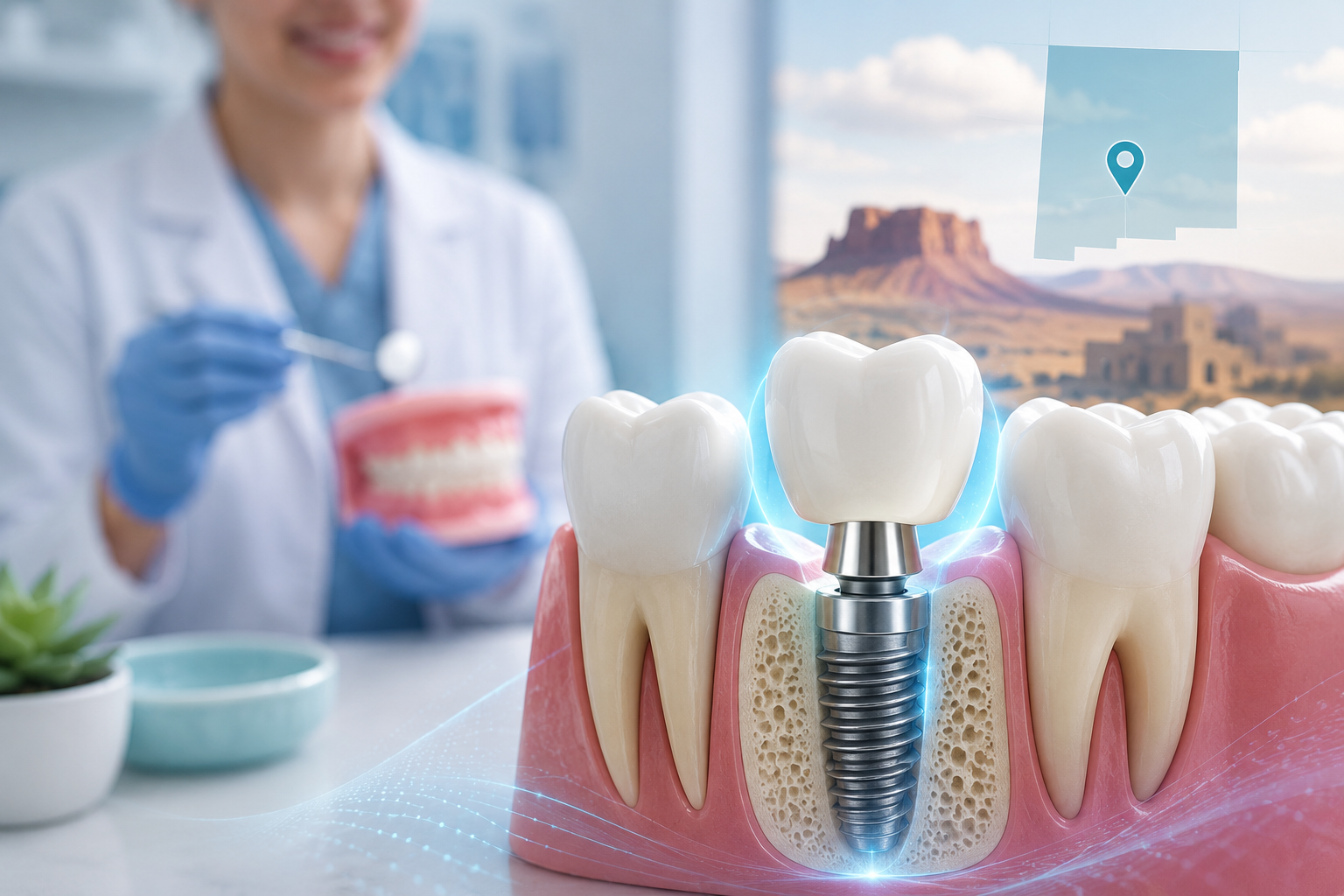
Implants are the gold standard. A titanium post is placed in your jawbone, then topped with a crown. They look and function like natural teeth.
Bridges
Dental bridges use crowns on adjacent teeth to support a false tooth in between. They’re fixed in place and work well.
Partial Dentures
Removable partial dentures are more affordable. They clip onto remaining teeth and can replace multiple missing teeth.
Your dentist in Gallup, NM, can explain which option fits your situation and budget.
Patients Also Ask
1. How long does a tooth extraction take?
Simple extractions typically take 20-30 minutes. Surgical extractions might take 45 minutes to an hour.
2. Will I be able to eat normally afterward?
Stick to soft foods for a few days. Most people return to normal eating within a week.
3. Can I go to work the next day?
Usually, yes. Most people feel fine enough to return to work the next day.
4. What’s dry socket?
Dry socket occurs when a blood clot dislodges, exposing the bone and nerves. Avoid smoking, straws, and vigorous rinsing for 72 hours after extraction.
Conclusion
Tooth extractions in Gallup, NM, aren’t anyone’s first choice, but sometimes they’re necessary. Whether you’re dealing with decay, infection, impacted wisdom teeth, or orthodontic needs, modern extraction techniques make the process manageable.
Work with a skilled dentist who thoroughly evaluates your situation and explores all options. When extraction is necessary, proper technique and good aftercare ensure smooth healing.
Don’t put off dealing with problem teeth. The longer you wait, the worse things become. If you’re experiencing tooth pain or suspect you might need an extraction, schedule a consultation. Getting treatment now prevents bigger problems later.
Takeaway:
- Extractions become necessary for severe decay, infection, crowding, or damaged teeth.
- Warning signs include persistent pain, swelling, loose teeth, and recurring infections.
- Modern techniques make extractions safer and more comfortable.
- Proper aftercare ensures quick, complication-free healing.
- Replacing teeth with professionals at Sundance of Gallup prevents future dental problems.