Introduction
You take a sip of hot coffee, and one of your teeth reacts.
Not unusual, you think.
A few days later, the same tooth hurts when you bite into dinner. Then it settles down again. By the weekend, everything seems almost normal.
So you wait.
This is where dental symptoms can become confusing.
Most people expect a tooth that needs a root canal to be obvious. They picture severe, nonstop pain that makes sleeping impossible and sends someone straight to the dentist for root canal in Grants, NM.
Sometimes that happens; other times it does not.
A problem inside the tooth may begin with sensitivity that lingers a little too long. It may show up as tenderness during chewing, disappear for several days, and then return. Another patient may notice swelling near the gum without experiencing the dramatic toothache they expected.
A Tooth That Needs a Root Canal Does Not Always Cause Unbearable Pain
This is probably the biggest misconception about root canal therapy; people want to be sure.
They say if a tooth has a serious internal problem, the pain will be impossible to ignore.
Dental symptoms are not always so straightforward.
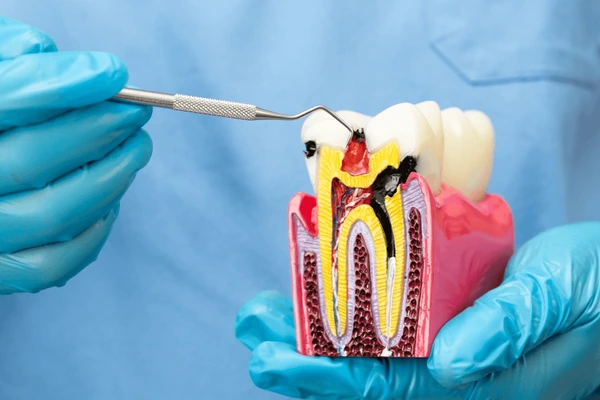
Each tooth contains a space with soft tissue called the pulp. This tissue contains nerves and blood vessels. Deep decay, cracks, trauma, or other damage can cause inflammation or infection of the pulp.
How it feels can vary widely, and lingering sensitivity may be a clue. In such instances, it’s best to consult a dentist for tooth pain treatment in Grants, NM, before it worsens.
Common Signs That May Point to Root Canal Treatment
Tooth Pain That Won’t Go Away
The pain may occur spontaneously or be provoked by eating and drinking. It can be sharp, throbbing, dull, or hard to pinpoint. Persistent pain should be assessed rather than managed with repeated temporary measures to control pain.
Sensitivity to Heat or Cold that Lingers
If the sensitivity remains after the temperature trigger has been eliminated, it may indicate a more serious issue within the tooth. The dentist can judge what may be happening by the pattern and length of the response.
Pain with Chewing or Biting
If a tooth hurts when you apply pressure to it, it may have inflammation, a crack, or another structural or internal problem. Diagnosis is important as this symptom can be caused by several conditions.
Puffy or Sore Gums
Swelling around a particular tooth could be a sign of infection. Sometimes the patient will have a small bump on the gum that comes and goes.
Stained Teeth
Sometimes a darkened tooth can mean something is happening inside the tooth – often following a trauma. The dentist will decide if internal treatment is necessary based on the findings of the examination and imaging.
How Does Root Canal Treatment Work?
1. Diagnosis and Investigations
The dentist will first take a discussion of symptoms and examine the affected area. The tooth, surrounding bone, sensitivity response, and possible sources of pain may be evaluated with X-rays and clinical tests.
2. Making the Tooth Comfortable
A local anesthetic is applied to the area to be treated. This also allows the procedure to be completed while maintaining the patient’s comfort.
3. Excising the Affected Tissue
The dentist drills an opening into the center of the tooth and removes the inflamed or infected pulp tissue. After that, the root canal spaces are meticulously cleaned and shaped.
4. Filling and Sealing Canals
The internal spaces are filled and sealed after cleaning to minimize the risk of reinfection. The exact treatment procedure can vary depending on the tooth and clinical situation.
5. Replacement of teeth
A final restoration is often required for teeth that have undergone root canal therapy. The type of restoration recommended to restore function and protect the tooth depends on the amount of remaining structure and the tooth’s location.
At A Glance
| Who Qualifies? | Patients with stained teeth or those who require aesthetic improvements are ideal candidates for the treatment. |
| Process Overview | Step 1 Book a consultation with your dentist to get a root canal examination. Step 2 Following the examination, your dentist will start the root canal treatment. Step 3 Once the treatment is done, it’s time to follow aftercare tips for quick recovery. |
| Timeline | A root canal procedure is lengthy and can take several months to complete. |
| Aftercare | Follow your dentist’s care tips for a quick recovery after root canal surgery. |
| Location & Contact | Sundance Dental Grants920 Lobo Canyon Rd #6, Grants, NM 87020, United States |
Benefits of Root Canal Treatment
Helps Protect the Natural Tooth
One of the main goals of root canal therapy is to save a tooth that otherwise might be lost. The inner affected tissue inside the tooth is treated, and the outer tooth is left in place. Saving a natural tooth can help you maintain your normal chewing function and prevent a new space from developing.
Cures infection inside the tooth
Bacteria can reach the inner tooth through deep decay, cracks, or damage. When the internal tissue becomes infected, the matter requires professional attention. Root canal therapy is a process that saves the tooth by removing damaged tissue, cleaning the inner spaces, and sealing the canals.
Restores Daily Functioning
A toothache can alter a person’s eating habits without them even knowing it. They may chew on the other side or avoid certain foods altogether. Following treatment and proper restoration, the goal is to return the tooth to comfortable function so that it can once again participate in the bite.
May Prevent Tooth Extraction
Not all damaged teeth can be saved, but treatment for a root canal near Grants, NM, can save many teeth with treatable internal problems. That’s important because when a tooth is lost, a separate decision is needed about whether and how to fill the missing space down the road.
Root Canal Evaluation at Sundance Dental
Many times patients will call a dental office because a tooth hurts. The more important job is to find out why.
In some cases, symptoms can overlap with those of a cavity, a cracked tooth, a gum problem, a bite problem, or inflamed dental pulp. That is why pain alone should not be the determining factor of whether a root canal is necessary.
At Sundance Dental, root canal assessment may involve evaluating the patient’s symptoms, examining the tooth, performing appropriate clinical tests, and obtaining dental imaging as needed. The aim is to identify the cause of the problem before suggesting a treatment.
FAQs
1. How do I know if I need a root canal in Grants, NM?
Signs may include ongoing tooth pain, lingering sensitivity to hot or cold, discomfort when chewing, swollen gums, a recurring bump near the tooth, or discoloration. Symptoms alone do not confirm the need for treatment, so a dental examination and appropriate imaging are usually required.
2. Does undergoing a root canal hurt?
Local anesthesia is used to numb the area during root canal treatment, and many patients are surprised by how manageable the procedure feels. There may be some tenderness afterward, but the treatment is supposed to treat the inflamed or infected tissue causing the problem.
3. How Long Does a Root Canal Take?
The treatment time varies depending on the tooth, the number of canals, the complexity, and the severity of the condition. Some root canals can be finished in one visit, while others may need more than one visit. After your dentist has examined the tooth in question, he or she will be able to give you a better idea of the time required.
4. What is the cost of a root canal in Grants, NM?
The cost depends on which tooth needs treatment, the complexity of the case, the need for restoration, and other clinical factors. Molars have more complex canal anatomy, so they may differ from front teeth. An examination is the most precise estimate for your particular treatment plan.
Conclusion
A tooth that needs a root canal does not always follow the dramatic pattern people expect.
Yes, severe pain can occur.
But the first clue may be much quieter.
A tooth stays sensitive after your drink is gone. Biting feels uncomfortable on one side. A small bump appears on the gum and later disappears. A previously injured tooth gradually darkens. Pain that once felt intense suddenly becomes less noticeable.
Root canal treatment is used when the tissue inside a tooth has become inflamed, infected, or otherwise damaged beyond its ability to recover. The procedure removes the affected tissue, cleans and seals the internal spaces, and helps preserve the natural tooth when appropriate.
See signs of a root canal? Book a call with our experts at Sundance Dental today!