Introduction
The idea of a tooth extraction makes many people uneasy. Even the word itself can evoke discomfort, fear, or uncertainty. For patients in Bloomfield, NM, it’s common to delay treatment simply because they’re unsure what an extraction actually involves or how uncomfortable it might be.
In reality, tooth extractions today are very different from what most people imagine. With modern techniques, proper anesthesia, and a calm approach, extractions can be straightforward and manageable. The experience depends heavily on how the care is delivered.
The blog explores topics like:
- Why Tooth Extractions Are Sometimes Necessary
- What Makes Tooth Extractions Feel Stressful for Patients
- How Tooth Extractions Are Approached at Sundance Dental Bloomfield
Continue reading to learn more about the extractions needed, how the process works, and how a trusted dentist in Bloomfield, NM, helps patients feel at ease every step of the way.
Why Tooth Extractions Are Sometimes Necessary
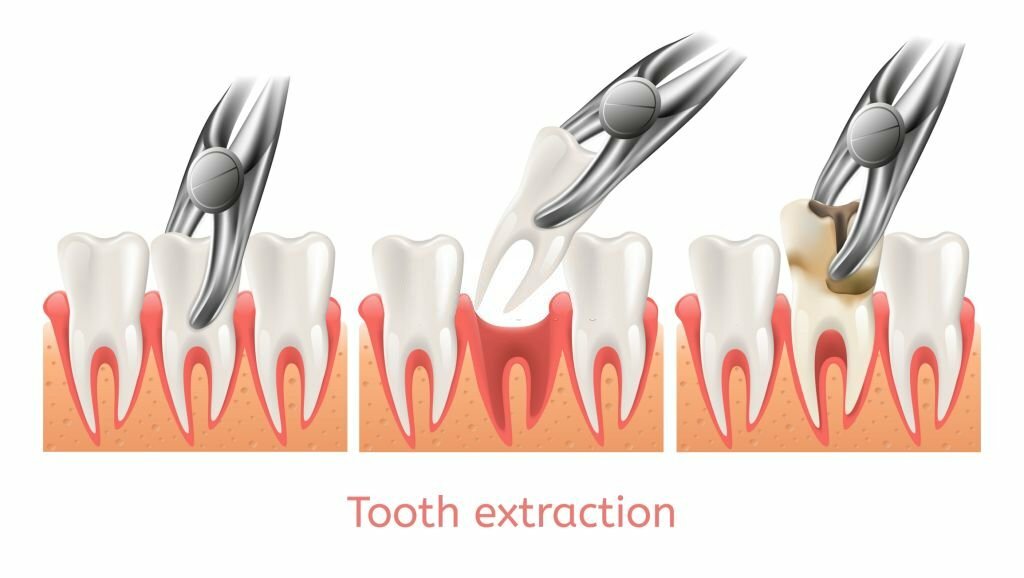
Tooth extractions are not usually the first choice. Dentists work hard to save natural teeth whenever possible. However, there are situations where removing a tooth is the healthiest option.
Common reasons for tooth extractions in Bloomfield, NM, include:
- Severe tooth decay that cannot be healed.
- Advanced gum disease.
- Teeth that are cracked or damaged and cannot be restored
- Impacted or troublesome wisdom teeth
- Teeth that cause infection or crowding
Many patients believe that an extraction indicates that something went wrong. In most cases, it suggests that the tooth can no longer function comfortably or safely. Removing it alleviates pain, infection, and other consequences.
Patients often feel relieved when they realize there is a clear strategy in place, rather than remaining uncomfortable.
What Makes Tooth Extractions Feel Stressful for Patients
Dental anxiety doesn’t come from the procedure alone. It often comes from uncertainty. Patients worry about pain, the sound of instruments, or not knowing how long the process will take. Some fear the recovery more than the extraction itself. Others remember stories from years ago that no longer reflect modern dental care.
At Sundance Dental Bloomfield, the focus is on making extractions as comfortable and stress-free as possible. A significant portion of the appointment is devoted to addressing these concerns before anything begins. Clear explanations reduce fear more effectively than rushing into treatment.
How Tooth Extractions Are Approached at Sundance Dental Bloomfield
At Sundance Dental Bloomfield, we handle tooth extractions with professionalism. We prioritize comfort, even before the procedure begins. Here’s what tooth extractions at Sundance Dental feel like in practice:
Initial Evaluation and Conversation
Every extraction starts with a conversation. Your dentist listens to your symptoms, checks your teeth, and evaluates X-rays. This helps to decide whether extraction is required or if another solution is available.
Patients are encouraged to pose inquiries. Understanding why the tooth needs to be removed generally relieves worry.
Anesthesia and Pain Control
A local anesthetic is used to numb the region entirely. Patients usually feel pressure during extraction, not pain.
For highly apprehensive individuals, additional comfort measures may be explored. The objective is to keep the patient relaxed and comfortable throughout the treatment. This step alone alters how individuals view extractions.
Gentle Extraction Techniques
Modern extraction procedures aim to reduce harm to surrounding tissue. The dentist works cautiously, using controlled motions rather than force.
Most routine extractions are performed faster than patients anticipate. Many people are shocked by how relaxing the experience is once it begins.
Immediate aftercare guidance.
Following tooth removal, comprehensive aftercare instructions are provided. Patients receive specific guidance on what to do and avoid throughout their rehabilitation. This insight helps to prevent issues and decreases post-procedure stress.
At-a-Glance: Tooth Extraction Basics
Why needed: Decay, infection, damage, crowding
Pain control: Local anesthesia
Procedure length: Often shorter than expected
Recovery: Gradual healing over days to weeks
Goal: Relief and prevention of further issues
What Patients Usually Feel During an Extraction
One of the most common questions is, “Will it hurt?”
Most patients report feeling pressure rather than pain. The numbing medication effectively blocks pain signals. Some sounds or sensations may feel unfamiliar, but discomfort is minimal.
Patients are often surprised by how quickly the extraction is completed. The anticipation usually feels worse than the procedure itself. This is something many people only realize afterward.
Recovery After Tooth Extractions
Healing begins immediately after the extraction. The body starts forming a blood clot in the socket, which protects the area and supports healing.
First 24 Hours
Patients are advised to rest, avoid strenuous activity, and follow simple care steps. Mild swelling or soreness is normal and typically manageable.
Ongoing Healing
Over the next several days, the area continues to heal. Patients gradually return to normal eating and routines as comfort improves.
Following instructions closely helps ensure smooth healing and reduces the risk of dry socket or infection.
Why Local Care Matters in Bloomfield, NM?
Choosing a local dentist in Bloomfield, NM makes a difference, especially when follow-up treatment is required. Questions frequently arise throughout the recovery process, and having quick access to your dental staff provides confidence.
Sundance Dental Bloomfield encourages patients to contact or return if they have any concerns. This ongoing support helps patients feel confident rather than apprehensive throughout rehabilitation.
Benefits of Choosing Sundance Dental Bloomfield for Extractions
Clear explanations before therapy.
Patients are guided through the rationale for the extraction and what to expect, step by step. This clarity helps to lessen anxiety and uncertainty, both of which are familiar sources of stress before dental operations.
Comfort-focused approach
To minimize discomfort, extractions are performed using current technology and an appropriate anesthetic. The staff checks in with patients during the process to ensure they are relaxed and comforted.
Gentle, contemporary methods.
To safeguard the surrounding teeth and tissue, careful precautions are used. This generally results in smoother treatments and a more pleasant recovery thereafter.
Personalized attention, not hurried visits.
Each patient’s scenario is assessed separately. Appointments are not hurried, leaving time for questions and reassurance.
Clear aftercare and recovery guidelines
Patients receive explicit information on how to care for the extraction site. This reduces problems and promotes speedier, stress-free recovery.
Patients seeking tooth extractions in Bloomfield, NM, often say the experience was far more manageable than they expected.
Common Questions About Tooth Extractions
Q. Is tooth extraction painful?
With proper anesthesia, most patients experience pressure rather than pain.
Q. How long does healing take?
Initial healing occurs within days, while complete healing takes a few weeks.
Q. Can I eat after an extraction?
Soft foods are recommended at first. Normal eating resumes gradually.
Q. What if I feel unusual pain afterward?
Patients should contact their dentist if pain increases or doesn’t improve.
Conclusion
Tooth extractions do not need to be traumatic. The procedure may be made easier and less stressful by using current technology and a patient-centered approach. Sundance Dental Bloomfield handles extractions with care, clear communication, and a focus on comfort.
If you need a reputable dentist in Bloomfield, NM, for tooth extractions, Contact Sundance Dental to help you understand your options and proceed with confidence.
Takeaway:
- Tooth extractions are sometimes the healthiest option.
- Modern techniques focus on comfort and control.
- Clear guidance supports smooth recovery.
- Sundance Dental Bloomfield provides stress-free extraction care.