Category : dentist in bloomfield

Dental Emergency Care Tips: Top Things To Do When You Are In Tooth Trouble

Summary:

No matter how prepared or safely you live, you cannot deny that a dental emergency can happen anytime! Over 2 million Americans visit the hospital’s ED for their oral health. 
Dental Emergency Care Tips: Top Things To Do When You Are In Tooth Trouble_1

Knowing what to do during such emergencies can be a great benefactor, equivalent to saving a life. We say this because scheduling your appointment with the dentist during such incidents is impossible.

Keeping the same in mind, this blog explores dental care emergencies in the following:

  • Dental Emergency – How to Spot One?
  • Tips to Successfully Navigate Through Dental Emergency
  • Quick Last-minute Home Remedies for Dental Emergencies

Continue reading as we learn more about oral urgent care in the following sections. 

Dental Emergency – How to Spot One?

As the name suggests, an oral emergency requires you to seek immediate urgent dentist care. These conditions can range from severe toothache to gum bleeding and might pose a threat to your life. 

There are different types of urgent oral crises. However, only some emergencies require a visit. So here’s an outline of some of the more prevalent emergencies when you must consult with an expert:

  • Broken tooth: A shattered tooth may result from an accident or oral decay. If you have a fractured tooth, see a dentist immediately so it may be repaired or fixed.
  • Knocked-out tooth: A knocked-out tooth is a major oral emergency that a dentist must treat immediately. If you have a knocked-out tooth, attempt to discover it and bring it to the dentist so that they can repair it.
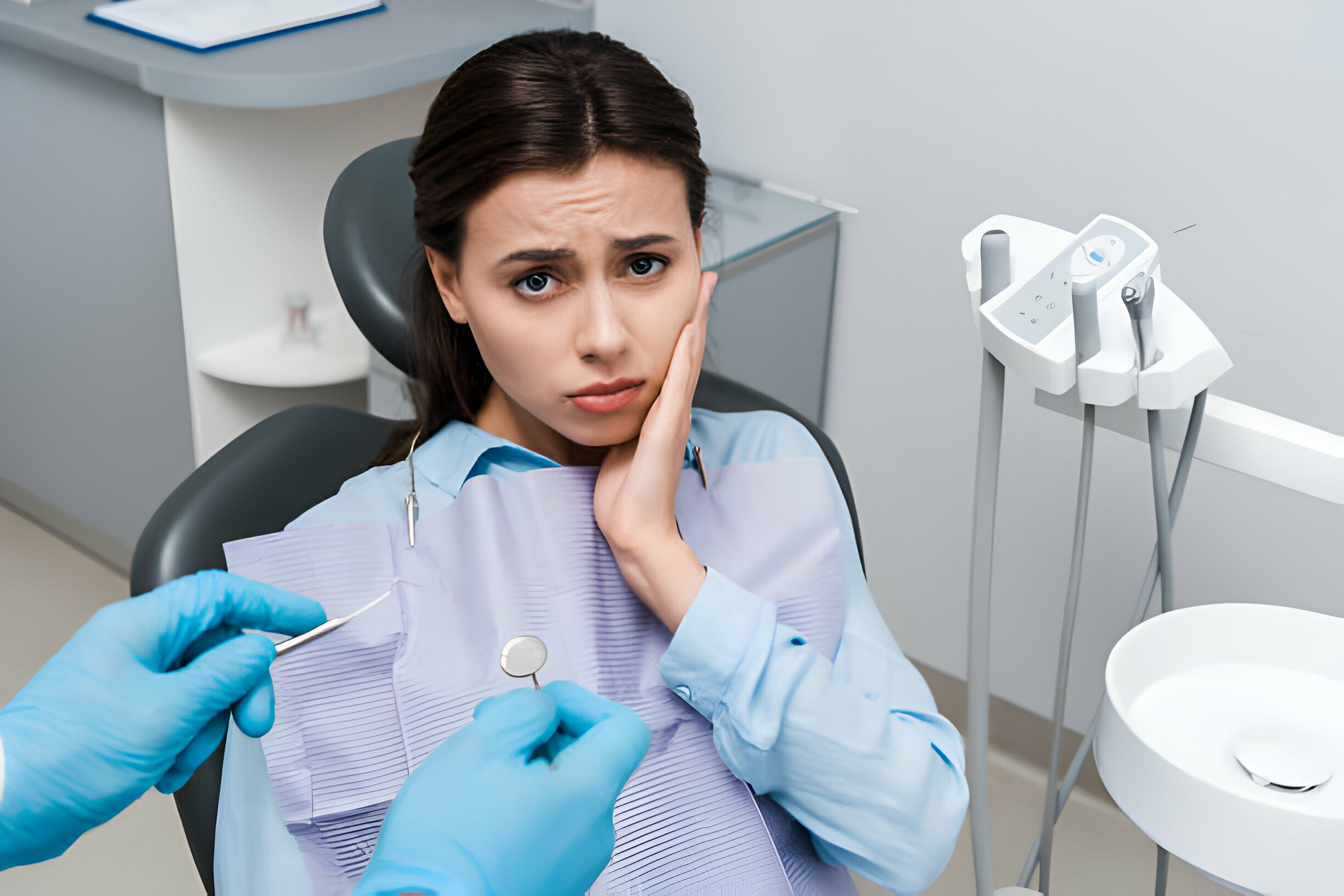
  • Toothache: Toothache is among the most common dental emergencies and can be caused by several factors, including tooth decay, infection, or a foreign item stuck in the gums.
  • Bleeding gums: Bleeding gums are another sign of oral emergency. They can be a sign of gum infection or disease. So, if you have bleeding gums, see an oral expert immediately!

Tips to Successfully Navigate Through Dental Emergency

Dental problems can be unpleasant and bothersome at times. You don’t have to run to the emergency dentist if you face such an oral crisis. 

You can use the strategies to relieve your discomfort and have it cured. Here are some ways to deal with any such incidents easily:

1. Identify Dental Emergency

All oral problems are not dental emergencies. Toothaches may wait; if the pain isn’t severe, you don’t need to see the dentist in the middle of the night. Dental emergencies, such as bleeding gums or knocked-out teeth, require immediate medical attention. If your face is bloated and painful, it might result from an infection or an issue only a dentist can treat.

2. Do Not Panic

While panicking is a normal reaction to a crisis, being cool might help you figure out what’s happening. Instead of stressing out, try softly inhaling and exhaling to calm down. You can schedule an appointment with a dental facility that treats dental emergencies.

3. Use First-Aid Techniques

There’s a risk you won’t be able to visit an ER dental emergency immediately. You might perform basic first aid at home to halt the bleeding or relieve the pain. You can preserve a knocked-out tooth in a milk container until you see the dentist.

Various hot and cold compression techniques can help alleviate pain and edema. Rinsing your mouth with salt and water might help to prevent gum infections and bleeding.
Dental Emergency Care Tips: Top Things To Do When You Are In Tooth Trouble_2

4. Reduce The Chances of Oral Emergency

Taking precautions and seeing the dentist regularly helps avoid dental emergencies. Dental crises are less likely if patients wear mouthguards during sports or get their cavities and infections addressed. Chipped teeth are less likely to occur if you follow your dentist’s instructions and avoid biting on harsh objects.

5. Getting Ready is the Key

You should be prepared to handle an oral emergency. Having first-aid supplies, such as gauze, antiseptic mouthwash, and bandages, might be beneficial in an emergency. You may add your dentist in Bloomfield phone number to your “speed dial.”

6. Take Good Care of Your Teeth and Bleeding Gums 

Brush your teeth at least twice every day. Professionals suggest brushing your teeth first thing in the morning before bed. If you see bleeding gums, see your periodontist right away.

Besides, clean your teeth for at least 2 minutes. It gives you ample time to clean every tooth surface thoroughly. Electric toothbrushes are convenient since they include built-in timers. If you use a manual toothbrush, set a little timer in the bathroom or use your phone.

Quick Last-minute Home Remedies for Dental Emergencies

Object stuck between teeth:

Any object trapped between your teeth is never a pleasant experience. If you run into this difficulty, don’t worry. To remove the item, use toothfloss softly and carefully. Avoid using a pin or sharp instrument since they might damage your teeth or gums. If you cannot remove the item, immediately seek urgent care with a dentist.

Fixing broken braces and wires:

Many individuals find it inconvenient to have a loose tooth or broken wire. The good news is that you can treat it temporarily until you see your dentist. Press the wire to the pencil’s eraser if your braces or wires shatter. 

Cover the end with the little cotton ball till you go to the dentist when you cannot adjust the wire. Attempting to cut the wire might result in eating it.
Dental Emergency Care Tips: Top Things To Do When You Are In Tooth Trouble_3

Soft-tissue injuries in the mouth:

Soft tissue injuries can be painful. The soft tissues in your mouth are the tongue, cheeks, gums, and lips. They have a large number of blood arteries, which makes them prone to bleeding when harmed. So, what do you do if this occurs? You can accomplish the following:

  • Gargle with light salt water.
  • Apply pressure to the bleeding area with a wet tea bag and leave for 15 to 20 minutes. 
  • If the bleeding continues, see your dentist. Until your anytime dentist treats you, keep applying pressure to the bleeding location with the gauze. 

Fillings and crowns removed:

Losing fillings and crowns can be painful because they leave a hole in your mouth. If this happens, you can apply gum to the mask and temporarily relieve discomfort. When your crown slips off, don’t use glue to reattach it. It is essential to visit your dentist soon and bring your crown.

Abscess:

An abscess is a pus pocket developed in the tissue around your tooth. Bacterial infections often cause abscesses. It might spread to your other teeth and gums if you don’t treat the abscess. 

You should see your dentist as soon as possible when you see an abscess. Rinse your mouth with moderate seawater to relieve the soreness. Following recovery, you must plan frequent checkups to maintain oral health

Takeaway

  • Oral crises are uncalled and unannounced! Once there, you need to ensure that it is resolved as soon as possible.
  • There are different types of oral issues. However, not every problem that you come around qualifies as an emergency. 
  • Navigating through dental emergencies can be challenging! Don’t risk your smile; visit our experts at Sundance Smiles today. 
The Impact of Mexico’s Dental Implants on Oral Health

Summary:

With over 156+ million Americans missing at least one tooth, have you ever wondered how most of them manage a picture-perfect smile?

The answer is a dental implant! These oral appliances are like a natural-looking artificial tooth anchored to your jawbone. Over the years, oral implants have been the go-to option for millions of individuals, making them the #1 restorative appliance. 

In this blog, we take a closer look at:

  • Dental Implants – Science Behind the Artificial Tooth
  • The Implant Process – What Goes Behind the Scenes?
  • How Implants Impact Jawbone Preservation
  • Dental Implants and Adjacent Teeth
  • Long-term Effects of Implants on Oral Health

Continue reading as we learn more about false tooth implants in the following sections.

Dental Implants – Science Behind the Artificial Tooth

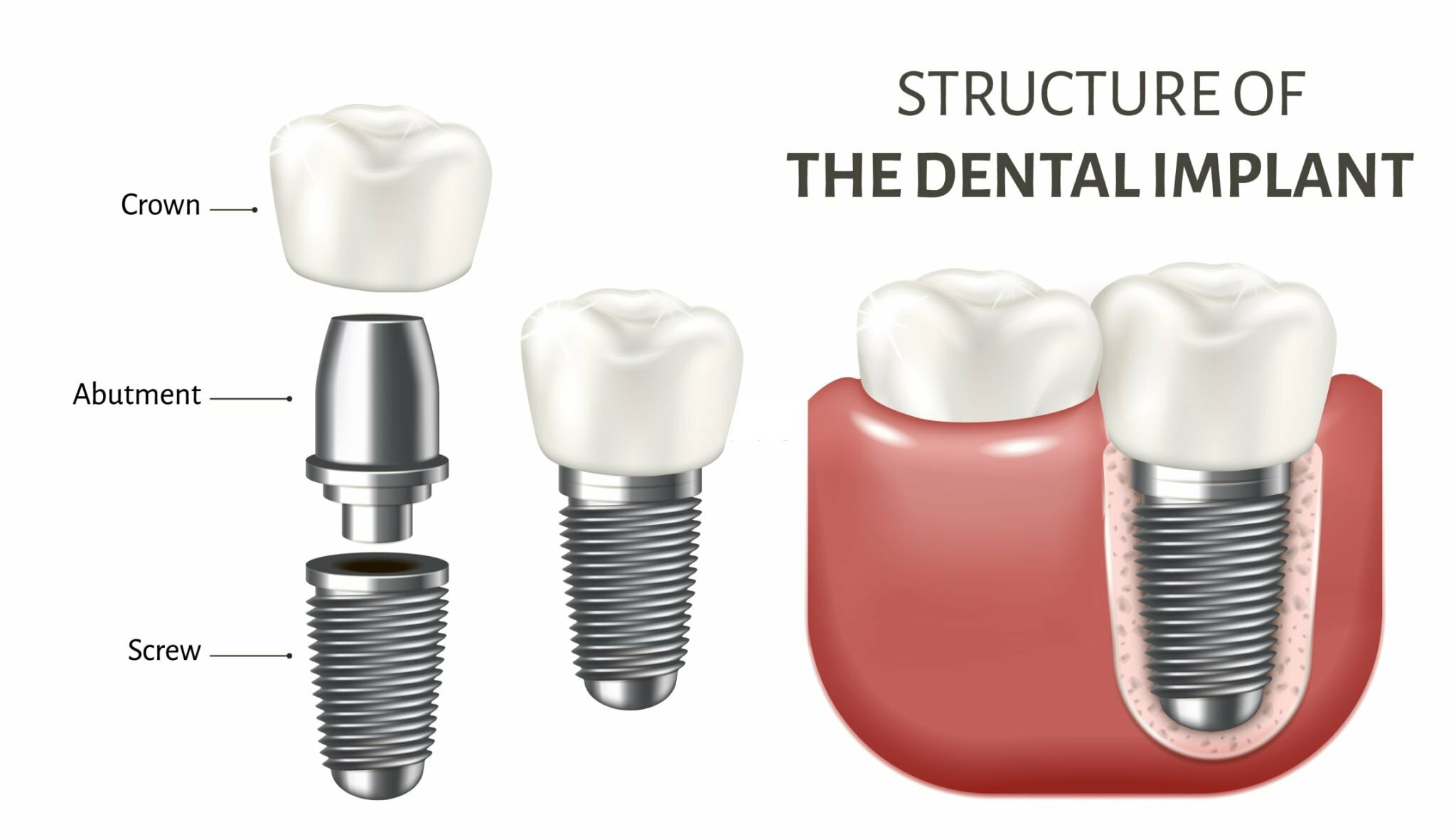
Dental implants are prosthetic teeth designed to mimic your natural tooth. A dental implant primarily comprises three main components, namely: 

The Impact of Mexico's Dental Implants on Oral Health_1

  • Implant: The implant is like a screw that is posted surgically into your jawbone. It substitutes for your tooth root, providing a solid base for the oral appliance. 
  • Abutment: The abutment is the second core part of an implant. It connects the implant to the crown and is visible over the gumline. 
  • Crown: The crown is the last part of a dental implant. It sits on the implant to give you the look and feel of a natural tooth. 

Dental fixture’s fundamental function and goal is to provide a secure basis for prosthetic teeth. Dental fixtures, as opposed to typical tooth replacement solutions such as bridges or dentures, mirror the structure of natural teeth. They enhance functionality and aesthetics, allowing patients to speak, smile, and eat comfortably.

The Implant Process – What Goes Behind the Scenes?

Once you visit your nearest dentist in Bloomfield for the oral implant procedure, they will walk you through the following stages of the treatment: 

Stage 1 – Preparation:

The first stage of the implant treatment generally begins with the necessary preparation. To design a personalized treatment plan, the dentist will take x-rays and imprints of the patient’s teeth. They will also give you pre-surgery advice, such as not smoking or taking certain drugs.

Pretreatment procedures (if needed):

Your dentist may suggest pretreatment procedures to ensure the success of the operation. These techniques may differ based on the patient’s demands and circumstances. Bone grafting, scaling, cleaning, and extraction are a few examples.

Stage 2 – Surgery:

The surgery begins in the second stage of the treatment. Dentists generally use local anesthetics, typically used for dental implant surgery. 

At this stage, the prosthetic oral root is inserted into the jawbone through a tiny incision in the gum tissue made by the dentist. While the implant heals, the patient is given a temporary replacement bridge or tooth.

Stage 3 – Osseointegration and Abutment Placement:

Once the implants are placed in your gum, they will osseointegrate with the jawbone for several months. The osseointegration process generally highlights a healing process as it lays the groundwork for the new oral appliance.

Besides, once your implant has healed and fused with the jawbone, it’s time to place abutment on the implant.  This little component joins the implant to the oral appliance. 

The Impact of Mexico's Dental Implants on Oral Health_2

Stage 4 – Replacement Tooth or Bridge:

Finally, the dentist will screw the appliance into place on the abutment. This replacement tooth will seem and operate exactly like a natural tooth, giving the patient better oral health and a more confident smile.

Tip:

While looking for the ideal teeth implant professionals, look for dentistry with cutting-edge oral technologies. Your chosen clinic should have advanced technologies like 3D printing and digital imaging to provide accurate implant placement and restorations, increase treatment results, and lower the risk of problems.

How Implants Impact Jawbone Preservation

Tooth loss can have serious consequences for the underlying jawbone. When a tooth falls out or is removed, chewing forces no longer stimulate the jawbone. As a result, the bone gradually begins to resorb or degrade. 

This might result in face alterations such as aged or hollow appearance. This is critical for the preservation of the jawbone. They offer essential stimulation to the jawbone while chewing by functioning as fake roots. This stimulation promotes bone density and prevents bone loss. 

Preserving the jawbone ensures the implant’s stability and lifespan while adding to the facial bones’ strength and structure.

Dental Implants and Adjacent Teeth

Dental implants, in addition to preserving jawbone, improve the alignment and stability of neighboring teeth. When a tooth is lost, the teeth next to it might move or tilt into position over time. 

This can result in biting issues, difficulty with adequate oral care, and probable teeth loss. It prevents nearby teeth from moving by replacing the lost tooth and providing stability. They keep neighboring teeth aligned, ensuring correct occlusion and bite. 

This improves overall dental function, helps to improve oral hygiene, and lowers the risk of subsequent teeth loss.

Benefits Of Dental Implants For Oral Health

1. They’re a more permanent solution 

Unlike other replacement solutions such as dentures or bridges, dental fixtures are a long-term solution since they are surgically placed into the jawbone. Placing the implant of teeth gives stability and longevity, allowing patients to maintain a functioning and natural-looking smile for years to come.

2. Implants prevent bone loss: 

The capacity of implants to induce bone formation is one of its key advantages. When a tooth is pulled, the surrounding jawbone deteriorates due to a lack of stimulation. Dental fixtures, on the other hand, work as prosthetic roots and preserve the jawbone’s integrity, avoiding bone loss and retaining face structure.

3. They improve oral function: 

When done by professionals at New Mexico Dental Implants, these appliances restore complete chewing capability, allowing people to consume their favorite meals freely. They give a firm and secure base for biting and chewing, supporting optimal digestion and general health.

4. Enhance speech and confidence: 

Your missing teeth can significantly impact your speech, creating issues with clarity and pronunciation. It closes the gaps and restores normal speaking patterns. Furthermore, fixtures boost confidence and self-esteem by improving the smile’s appearance. This improves both personal and professional social connections.

5. Promote oral health: 

Unlike other oral replacement methods, dental implants do not necessitate changes to surrounding healthy teeth. This helps to retain natural teeth while also improving overall oral health. It is also simple to clean and maintain, lowering the risk of dental disorders like gum irritation or decay.

Long-term Effects of Implants on Oral Health

  • Improved bone density:

When teeth are lost, the jawbone deteriorates, resulting in bone loss and facial anatomy alterations. Anchored dental fixtures stimulate the bone, reducing bone loss and increasing bone density.

The Impact of Mexico's Dental Implants on Oral Health_3

  • Improved oral hygiene:

Implants are simple to care for and maintain, requiring as much brushing and flossing as natural teeth. Dental fixtures can minimize the incidence of decay and periodontal disease, among other oral disorders, by encouraging improved oral hygiene.

  • Improved appearance:

Dental implants have the appearance and feel of natural teeth, enhancing the attractiveness of your smile and facial structure. They help prevent the sunken-in effect that might result from tooth loss, allowing you to maintain your young appearance. It is one of the most common benefits of oral fixtures that patients anticipate.

Takeaway

  • Oral implants are a great alternative to missing natural teeth. They give you the look, appeal, and confidence of a natural smile. 
  • Unlike other replacement methods, fixtures do not necessitate changes to surrounding healthy teeth.
  • Once you lose a tooth, the teeth next to it might move or tilt into position over time. 
  • Don’t lose the charm in your smile; make the most of your aesthetics with our Sundance Smiles experts today! 
Load More